

Skin Deep Blog
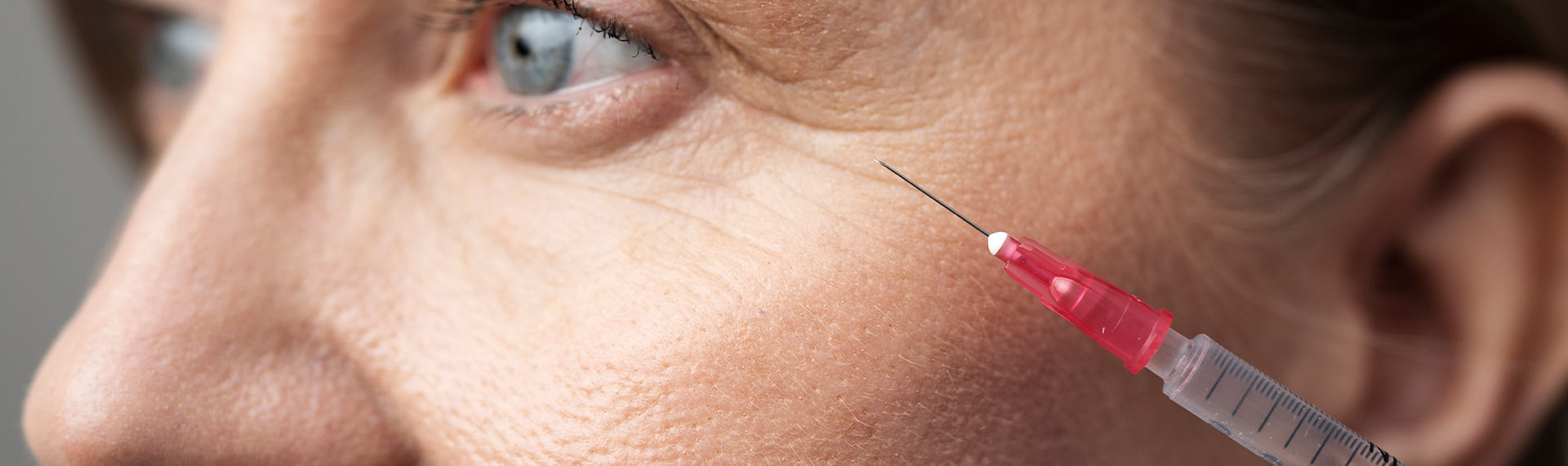

Anti-Wrinkle Injections: A Complete Guide
What are Anti-Wrinkle injections? Anti-wrinkle injections use a purified protein called botulinum toxin to temporarily relax specific facial muscles. When those muscles stop contracting as strongly, the skin above them smooths out. Lines soften, and new ones are slower to form. The treatment has been used safely in both cosmetic and medical settings for decades. It is one of the most performed non-surgical procedures in the world, and for good reason. Results are predictable, the process is quick, and there is no surgery involved. Expression lines versus static lines Anti-wrinkle injections work best on expression lines. These are the lines that form when you move your face, such as frowning, squinting, or raising your eyebrows. Over time, repeated movement etches those lines deeper into the skin. Relaxing the muscle responsible reduces the line and slows that process down. Static lines are different. These are lines that sit on the face even when it is completely relaxed, usually the result of volume loss or significant skin laxity. Injections can soften them but will not erase them entirely on their own. A practitioner will tell you honestly at consultation whether injections alone will get you the result you want, or whether a combination approach would work better. What areas they treat The upper face The forehead, frown lines between the brows, and crow's feet around the eyes are the three most commonly treated areas. These are where expression lines tend to appear first and where injections deliver the most consistent results. Most people start here, either to address lines that are already visible or to slow down the ones forming. Beyond the forehead Treatment is not limited to the upper face. Bunny lines on the sides of the nose, lip lines around the mouth, chin dimpling, and vertical neck bands can all be addressed with injections. The jawline is another option, where relaxing the chewing muscle can slim the lower face and ease teeth grinding at the same time. Excessive sweating, known as hyperhidrosis, is also commonly treated this way, most often in the underarms. What happens at your appointment The consultation Before anything is injected, you will have a consultation. Your practitioner will look at your face at rest and in movement, ask about your medical history and any medications you take, and talk through what you want to achieve. This is also where they will flag anything that might make you unsuitable for treatment. A good practitioner takes their time here. It is not a formality. The treatment itself The actual injections take around 10 to 15 minutes. The skin is cleaned first, and your practitioner may mark the injection points before starting. A very fine needle is used to place small amounts of product into the targeted muscles. Most people describe it as a quick pinprick sensation. Some areas are more sensitive than others, but the discomfort is brief and numbing cream is available if needed. You can go straight back to your normal day afterwards. There is no downtime. Most people have it done in a lunch break and go straight back to work. What to expect after treatment The first 24 hours Immediately after, you may notice small raised bumps at the injection sites. These settle within an hour or two. Some mild redness or swelling is normal and usually fades by the end of the day. Bruising is possible, particularly around the eye area, but it is not guaranteed and tends to resolve within a few days. For the first 24 hours, avoid touching or rubbing the treated area, strenuous exercise, alcohol, lying flat, and any heat treatments like saunas or steam rooms. These precautions help the product settle correctly and reduce the risk of bruising. Seeing your results Results do not appear immediately. Most people start to notice changes within three to five days. The full effect takes around ten to fourteen days to show. At that point the treated muscles are fully relaxed, the skin above them is smoother, and lines are visibly reduced. Some clinics offer a review appointment at the two-week mark to assess results and make any minor adjustments if needed. How long results last Typical duration For most people, results last between three and four months. Some see them hold for closer to five or six months, particularly after having regular treatments over time. As the product gradually wears off, the muscle starts to contract again and lines begin to reappear. At that point, a top-up appointment will maintain the result. Why duration varies How long results last is not the same for everyone. Factors like how active your facial muscles are, how quickly your body processes the product, your age, and your skin condition all play a role. Areas with stronger or more frequently used muscles, like the forehead, can sometimes metabolise the product faster. Your practitioner will give you a realistic idea of what to expect based on your individual assessment. Who is and isn't suitable Good candidates Anti-wrinkle injections are suitable for most healthy adults who want to soften expression lines or slow the formation of new ones. You do not need to have deep wrinkles to benefit. Many people start treatment earlier as a preventative measure, before lines have a chance to become permanent. Men and women both have the treatment, and results are tailored to the individual in both cases. Who should not have them There are some situations where treatment is not appropriate. You should not have anti-wrinkle injections if you are pregnant or breastfeeding, if you are under 18, if you have certain neuromuscular conditions, or if you have an active skin infection in the area to be treated. Allergies to any of the components in the product are also a contraindication. Your practitioner will go through a full checklist before proceeding to make sure treatment is safe for you specifically. FAQ Do anti-wrinkle injections look natural? Yes, when done well. The goal is always to soften lines while keeping natural movement and expression. A skilled practitioner will not over-treat. Results should leave you looking fresher and more rested, not frozen or overdone. Can I combine anti-wrinkle injections with other treatments? Yes. They are commonly combined with dermal fillers, skin boosters, and other aesthetic treatments. Your practitioner can advise on what combination would work best for your concerns and in what order to approach them. How soon can I have a top-up? Most practitioners recommend waiting at least two weeks after your initial treatment before considering any top-up. This gives the product time to fully settle and allows an accurate assessment of your results. Is there anything I should do to prepare? Avoid blood-thinning medications like aspirin and ibuprofen, alcohol, and certain supplements such as fish oil for 24 to 48 hours before your appointment. Come with clean skin and no makeup if possible. Your practitioner will give you a full pre-treatment checklist at consultation.
Learn more
Top Benefits of Anti-Wrinkle Injections
Anti-wrinkle injections are one of the most popular aesthetic treatments in the world, and the reasons are practical. The treatment is fast, the results are visible, and there is no surgery involved. If you are weighing up whether they are right for you, here is what they actually offer. The Benefits of Anti-Wrinkle Injections Lines soften without surgery Anti-wrinkle injections deliver real, visible results without a single incision. The treatment works by relaxing the muscles responsible for expression lines, so the skin above them smooths out naturally. Forehead lines, frown lines, and crow's feet all respond well. For most people, the improvement after a first treatment is enough to make them want to maintain it. The alternative for comparable results would be a surgical procedure with a much longer recovery, higher risk, and significantly more cost. Injections sit in a different category entirely. You are in and out in under half an hour, and your face looks like yours, just clearer. Results that build over time One session makes a difference. Regular treatment makes a bigger one. When the same muscles are consistently relaxed over multiple treatments, they gradually become less active on their own. Lines that were deepening start to soften further between appointments, and some clients find they need fewer touch-ups over time to maintain the same result. This cumulative effect is one of the less talked about benefits. It means the longer you keep up with treatment, the better your skin tends to look, and the less work each session has to do. No downtime You can have anti-wrinkle injections and go straight back to your day. There are no bandages, no recovery period, and nothing that requires you to take time off. Most people have the treatment done in a lunch break. Some mild redness or tiny bumps at the injection sites are normal, but these settle within a couple of hours. The only things to avoid in the 24 hours after treatment are strenuous exercise, alcohol, heat treatments, and touching the treated area. Beyond that, your routine carries on as normal. It works as prevention, not just correction Most people think of anti-wrinkle injections as something you have once lines are already visible. They work well for that, but they also work as a way of stopping lines from forming in the first place. When a muscle cannot contract as strongly, the skin above it does not crease as deeply or as often. Over years, that makes a significant difference to how lines develop. Younger clients who start treatment before lines become permanent often find they need less correction later. It is a longer-term approach to skin health, not just a quick fix for what is already there. More than just wrinkles The treatment is not limited to expression lines on the face. The same approach is used to slim the jawline by relaxing the chewing muscle, to ease teeth grinding, to reduce a gummy smile, and to treat excessive sweating in the underarms. Neck bands, chin dimpling, and bunny lines on the sides of the nose can all be addressed too. For some clients, the non-cosmetic benefits are just as valuable as the aesthetic ones. Clients who grind their teeth at night often notice that jaw tension and associated headaches reduce significantly after treatment. That kind of result goes well beyond what most people expect from an aesthetic appointment. Results are temporary, and that is a good thing Anti-wrinkle injections wear off. For most people that is between three and four months, sometimes longer. This is often framed as a limitation, but it is actually one of the most reassuring things about the treatment. If you are not happy with your results, or if your preferences change, nothing is permanent. The product clears, the muscle returns to normal, and you are back to where you started. It also means the treatment can be adjusted over time. A practitioner can fine-tune the amount used, the areas treated, and the approach based on how your face responds. That kind of flexibility is not possible with surgical options. FAQ How quickly will I see results? Most people notice changes within three to five days. Full results are visible at around the two-week mark, once the treated muscles have fully relaxed. Will I still be able to make facial expressions? Yes. The goal is always natural softening, not freezing. A skilled practitioner places the product precisely so that movement is reduced, not removed. You should still look like yourself. How often do I need treatment to maintain results? Most people return every three to four months initially. With regular treatment over time, some clients find their results last longer and they need fewer appointments each year to stay on top of results.
Learn more
What Happens If You Stop Laser Hair Removal?
What actually happens when you stop Laser Hair Removal Treatment? Your progress doesn't disappear Any follicle the laser has already destroyed stays destroyed. That hair is gone for good. Stopping treatment doesn't reverse what has already been done, and the results you have right now are yours to keep. What changes is what happens next. Hair that was never properly targeted will carry on growing as normal. Follicles that were only partially treated may push hair back through over time, though it tends to come back finer and slower than before you started. The picture sits somewhere between full results and square one, and where exactly depends on how far into your course you are. The dormant follicles wake up Not all your hair grows at the same time. A portion of it is always resting, which is exactly why laser hair removal takes multiple sessions. When you stop, those resting follicles eventually shift back into their active phase and start producing hair again. It can look like new growth appearing, but it is just hair the laser never had a chance to reach. This is also why stopping mid-course often gives uneven results. Some patches look smooth and stay that way. Others fill back in. The difference comes down to which follicles were treated and which ones were still dormant during your sessions. Why the number of sessions you've had matters Stopped early, two or three sessions in Two or three sessions in, a meaningful number of follicles have been hit but the majority haven't. The hair that was in its active growth phase during those sessions will be reduced, but most follicles haven't been touched yet. Regrowth at this stage will be fairly close to what you started with. Finer in places, but not dramatically different overall. The work done isn't wasted, but it isn't enough to hold on its own. Stopped in the middle, around four or five sessions At this point you've likely noticed real changes. Hair grows back more slowly, some areas look significantly clearer, and shaving feels less frequent. If you stop here, those improvements don't vanish overnight. The clearer patches tend to stay cleaner for longer, while areas with more active follicles start to fill back in over the following weeks and months. Most people who stop at this stage keep a noticeable reduction but fall short of the long-term smoothness a full course delivers. Stopped near the end, six sessions or more This is the strongest position to stop from. The majority of follicles have been targeted across multiple growth cycles. Regrowth, if it happens at all, is usually sparse and much finer than before. Many clients at this stage find the occasional stray hair easy to manage without going back to regular shaving or waxing. A single top-up session once or twice a year is often all that's needed to stay on top of results. Will the hair grow back the same as before? In most cases, no Hair that returns after laser treatment is rarely the same as it was before you started. The laser damages the follicle even when it doesn't fully destroy it, so any regrowth tends to be lighter, finer, and slower. Some people find it barely noticeable. Others find it manageable with far less effort than before treatment. Full regrowth to pre-treatment levels is uncommon unless you stopped very early, within the first session or two. The further into your course you got, the less hair comes back and the less dense it tends to be. Hormones can change things There is one exception worth knowing about. Hormonal shifts from pregnancy, PCOS, or natural changes over time can trigger new hair growth in areas that were previously clear. This isn't the laser failing. It's the body responding to a change in hormone levels by activating follicles that were dormant. It happens to some people and not others, and it can't always be predicted. If it does happen, a short course of top-up sessions usually gets things back on track. What about areas that aren't finished yet? Unfinished areas behave differently An area you've had four or five sessions on will hold its results much better than one you've only had one or two sessions on. If you've been treating your legs and underarms at the same time but stop mid-course, you may find one area holds well while the other fills back in faster. It depends entirely on how far along each area was when you stopped. People who stop part way through often find the inconsistency the most frustrating part, not the regrowth itself, but the patchiness of it. Some spots stay smooth. Others don't. Finishing the course is the most reliable way to get an even result across the whole area. Can you pick back up where you left off? Yes, and it's straightforward Taking a break doesn't mean starting from scratch. The sessions you've had still count. When you come back, your practitioner will assess where things are and continue from there. You may need a session or two more than originally planned if a longer gap has allowed more regrowth, but the foundation of work already done stays in place. A gap of a few months won't undo your results. Even six months off rarely sets people back significantly, as long as a reasonable number of sessions had been completed beforehand. Life gets in the way sometimes. Picking back up is always an option. FAQ Does stopping laser hair removal hurt your skin? No. Stopping treatment has no negative effect on your skin. The only consequence is on your hair reduction results, not the skin itself. Can you wax or shave if you stop laser hair removal? Shaving is fine at any point. If you've stopped permanently, waxing is also fine. If you plan to restart sessions, avoid waxing as it removes the hair root the laser needs to target. Shaving between sessions is always the better option. How long before hair grows back after stopping? It varies. Hair that was successfully treated may never return. Partially treated follicles can start producing hair again within a few weeks to a few months. The amount and speed of regrowth depends on how many sessions you had and which growth stage your hair was in during treatment.
Learn more
Laser Hair Removal for Dark Skin – Safety, Risks & Results
For a long time, laser hair removal was treated as something that simply did not work for darker skin tones. That is no longer true. Modern laser technology has changed what is possible, and people with dark skin can now achieve safe, effective, long-term hair reduction. What matters is understanding how the treatment works differently for darker skin, what the real risks are, and what to look for before you book. Is Laser Hair Removal Safe for Dark Skin? Why Dark Skin and Lasers Have a Complicated History Early laser systems worked by targeting melanin, the pigment that gives hair its colour. The problem is that melanin is also what gives skin its colour. On lighter skin tones, the contrast between dark hair and pale skin made it straightforward for the laser to find the follicle without affecting surrounding skin. On darker skin, that contrast is much lower, and older lasers could not reliably tell the difference between melanin in the hair and melanin in the skin itself. The result was that darker skin absorbed laser energy it was never meant to absorb. Burns, blistering, hyperpigmentation, and scarring were genuine risks with those early systems. The idea that laser hair removal is not suitable for dark skin is rooted in how the treatment worked twenty years ago, not how it works now. Which Lasers Are Safe for Dark Skin? Not all lasers are equal when it comes to darker skin tones, and this is the single most important practical point in this article. The key factor is wavelength. Longer wavelength lasers penetrate deeper into the skin, bypassing the melanin in the upper layers entirely and targeting the hair follicle below. Shorter wavelength lasers interact with surface melanin first, which is exactly where the risk comes from on darker skin tones. At MedLaser Clinics, the Primelase HR system is one of the most powerful medical-grade laser platforms available anywhere. It is built to treat all skin types safely, including the deepest Fitzpatrick skin tones, using advanced diode technology with precise energy control and integrated cooling. The technology matters as much as the practitioner using it, and having the right machine makes a significant difference to both safety and results on darker skin. What Are the Risks? The risks are real, and any clinic that tells you otherwise is not being straight with you. Hyperpigmentation, where the treated area darkens after a session, and hypopigmentation, where patches of the skin lighten, are the two most common side effects specific to darker skin. Both happen when the laser interacts with surface melanin rather than the follicle, and both are significantly reduced when the right laser is used at the correct settings by a properly trained practitioner. Burns and blistering can also occur, though these are rare with the correct equipment and technique. The risk increases when energy settings are too high for the skin tone, when cooling is inadequate, or when the practitioner lacks specific experience with darker skin. Sun exposure in the weeks before treatment raises risk considerably, as tanned skin has elevated melanin levels that make the skin more reactive to the laser. Patch testing before a full session is strongly recommended. It gives the practitioner a chance to assess how your specific skin responds to the laser settings before treating a larger area, and any reputable clinic should offer this without you needing to ask. How Many Sessions Will You Need? Darker skin typically requires more sessions than lighter skin to achieve the same level of reduction. Where someone with a light skin tone might complete a course in six sessions, someone with a deeper skin tone may need eight to ten or more. Lower energy settings are used per session to keep the treatment safe, which means each session does a little less work individually but with a much better safety profile overall. Intervals between sessions may also be slightly longer, giving the skin adequate time to recover fully before the next treatment begins. What Results Can You Expect? Significant, long-term hair reduction is genuinely achievable on dark skin with the right technology and a full course of treatment. Hair that returns after a completed course tends to be finer, sparser, and much slower growing than before treatment started. The difference between session one and session eight is dramatic for most clients, even if the early sessions feel like slow progress. Very dark hair on very dark skin can sometimes present a lower contrast challenge even for advanced laser systems. Results in this specific combination depend heavily on the laser used and how experienced the practitioner is at adjusting for it. A thorough consultation before committing to a course will give you a realistic picture of what to expect for your individual skin tone and hair type, rather than a generic promise that may not apply to your situation.
Learn more
How to Overcome Uneven Body Skin?
Uneven skin tone on your body can be frustrating and affect your confidence, whether it's dark patches, discoloration, or inconsistent pigmentation. The good news is that modern treatments can significantly improve skin tone uniformity, giving you smoother, more radiant skin across your entire body. Reasons for Uneven Body Skin Understanding what causes uneven skin tone helps you address the root problem effectively. Sun Damage: UV exposure is the primary culprit behind uneven pigmentation. Areas frequently exposed to sun, like arms, legs, chest, and back, develop dark spots and patches as melanin production becomes irregular. Years of sun exposure create cumulative damage that appears as age spots, freckles, and blotchy skin. Hyperpigmentation: Post-inflammatory hyperpigmentation occurs after skin injury, acne, cuts, or irritation. The affected area produces excess melanin during healing, leaving dark marks that can persist for months or years. This is especially common on knees, elbows, and areas prone to friction. Hormonal Changes: Pregnancy, birth control, and hormonal fluctuations can trigger melasma and other pigmentation issues on the body. These hormonal changes stimulate melanocytes to produce uneven coloring, particularly on the chest, arms, and torso. Friction and Irritation: Areas experiencing constant rubbing from clothing, like underarms, inner thighs, and waistband areas, often develop darker, thicker skin. The repeated friction triggers melanin production as a protective response. Age: As skin ages, melanin distribution becomes less uniform. Liver spots and age spots appear on hands, arms, chest, and shoulders, areas that have accumulated the most sun exposure over decades. Scarring: Old scars from injuries, surgery, or skin conditions often heal with different pigmentation than surrounding skin, creating noticeable contrast. Dryness and Dead Skin Buildup: Dry, flaky skin can appear dull and uneven. Dead skin cell accumulation creates texture issues that make pigmentation look more pronounced. Lux Block Treatment for Uneven Body Skin Lux Block represents the latest advancement in treating uneven body skin. This cutting-edge technology uses precise wavelengths of light to target pigmentation, sun damage, and skin irregularities across large body areas efficiently. How It Works: Lux Block delivers controlled pulses of light that penetrate the skin and break apart melanin clusters responsible for dark spots and uneven tone. The fragmented pigment is then naturally eliminated by your body's immune system over the following weeks. Simultaneously, the treatment stimulates collagen production, improving overall skin texture and quality. Treatment Areas: Lux Block excels at treating: Chest and décolletage sun damage Back discoloration and scarring Arm and leg pigmentation Hand age spots Shoulders and upper back freckles Any large areas with uneven tone Benefits: Fast sessions: Large areas treated in 20-30 minutes Visible results: Improvement appears within 1-2 weeks Minimal downtime: Resume normal activities immediately Safe for most skin types: Advanced technology adapts to different tones Long-lasting: Results continue improving for months as collagen rebuilds Comfortable: Minimal discomfort compared to older laser technologies Treatment Protocol: Most clients achieve optimal results with 3-5 sessions spaced 4-6 weeks apart. The exact number depends on the severity of pigmentation and your skin's response. Lux Block with MedLaser Clinics MedLaser Clinics brings Lux Block technology to Manchester and Bolton with the expertise and precision that sets them apart from standard aesthetic providers. Why Choose MedLaser for Lux Block: Medical-Grade Equipment: MedLaser uses the latest Lux Block technology with advanced cooling systems for maximum comfort and safety. Their equipment is calibrated specifically for body treatments, ensuring even coverage across large areas. Experienced Practitioners: Their specialists are trained in advanced light-based therapies and understand how to customize settings for different skin types and concerns. They assess your unique pigmentation patterns and create personalized treatment plans. Proven Results: Clients across Manchester and Bolton have achieved dramatic improvements in body skin tone, with many reporting 60-80% reduction in visible pigmentation after completing their treatment series. Visit MedLaser Clinic to book your Lux Block consultation and discover how quickly you can achieve even, radiant body skin. Conclusion Uneven body skin doesn't have to be permanent. While sun damage, hormonal changes, and aging create pigmentation issues, modern treatments like Lux Block can reverse years of discoloration in just a few sessions. MedLaser Clinics combines advanced technology with experienced practitioners to deliver real results for clients across Manchester and Bolton. Stop hiding uneven skin under clothing and start enjoying the confidence that comes with smooth, evenly toned skin from head to toe.
Learn more
When Do Wrinkles Actually Start Forming?
Most people think wrinkles are a problem for their 50s or 60s, but the truth is more sobering: wrinkle formation begins much earlier than you'd expect. Understanding when and why wrinkles start appearing helps you take action before they become deeply set. The first fine lines typically appear in your mid to late 20s, often around the eyes (crow's feet) and forehead. These early wrinkles are usually dynamic lines caused by repeated facial expressions. By your 30s, static wrinkles begin forming that remain visible even when your face is relaxed. The timeline varies based on genetics, lifestyle, and how well you protect your skin. Common Causes of Wrinkles Wrinkles don't appear randomly. Several key factors accelerate their formation, and most are within your control. Sun Exposure UV radiation is the single biggest cause of premature wrinkles, responsible for up to 80% of visible aging. Sun damage breaks down collagen and elastin, the proteins that keep skin firm and smooth. Even casual daily exposure adds up over time, which is why dermatologists stress daily SPF use regardless of weather or season. People who spend years in the sun without protection develop wrinkles significantly earlier and more severely than those who use sunscreen consistently. The damage is cumulative, meaning the sun exposure from your teens and 20s manifests as wrinkles in your 30s and 40s. Alcohol Alcohol dehydrates your skin and depletes essential nutrients like vitamin A, which is crucial for cell renewal and collagen production. Regular drinking also causes inflammation and dilates blood vessels, leading to persistent redness and broken capillaries that age your appearance. Beyond the direct skin effects, alcohol disrupts sleep quality, and poor sleep prevents your skin from repairing overnight damage. Chronic alcohol consumption accelerates the breakdown of collagen and elastin, making wrinkles form faster and deeper. Lack of Skincare Neglecting basic skincare allows preventable damage to accumulate. Without moisturizer, skin becomes dehydrated and more prone to fine lines. Skipping retinoids means missing out on the most proven anti-aging ingredient available. Failing to cleanse properly leaves pore-clogging debris that prevents cell turnover. Your skin repairs itself overnight, so a proper nighttime routine with active ingredients makes a measurable difference. Consistency matters more than expensive products. Even basic moisturizing and SPF provide significant protection against premature aging. Aging Impact on Wrinkles Age affects wrinkle formation in distinct phases. Here's what typically happens at each decade: Late 20s Fine lines appear around the eyes and on the forehead, primarily as expression lines from smiling, squinting, and raising eyebrows. Skin cell turnover begins slowing, and collagen production decreases by about 1% per year starting around age 25. Most people notice their skin doesn't bounce back from late nights or dehydration as quickly as it used to. These early wrinkles are still superficial and respond well to preventive measures like retinol, vitamin C serums, and consistent sun protection. This is the ideal time to establish good skincare habits that prevent deeper wrinkles later. Early 30s Static wrinkles begin forming, meaning lines that remain visible even when your face is relaxed. The nasolabial folds (lines from nose to mouth) become more pronounced, and under-eye areas may show crepiness. Skin loses volume and elasticity as collagen production continues declining. Expression lines deepen into permanent creases if left untreated. This decade is when many people first consider anti-wrinkle treatments because preventive skincare alone may not fully address existing lines. 40s Wrinkles become noticeably deeper and more widespread. Skin loses significant volume, especially in the cheeks and around the eyes. Jowls may begin forming as skin loses elasticity. The texture becomes rougher, and large pores become more visible. Hormonal changes, particularly perimenopause in women, accelerate skin thinning and dryness. Without intervention, wrinkles that were minor in your 30s become prominent features. This is when most people seek professional treatments for meaningful improvement. 50s and Beyond Deep-set wrinkles, pronounced volume loss, and significant skin laxity characterize this decade. The neck and décolletage show substantial aging. Skin becomes thinner and more fragile, healing slower from injuries or treatments. While prevention is ideal, significant improvement is still possible with professional treatments. Anti-wrinkle injections, dermal fillers, and laser therapies can dramatically reduce visible aging even at this stage. How to Treat Anti-Wrinkles The most effective wrinkle solution combines prevention with professional treatment. While good skincare helps, wrinkles that have already formed need targeted intervention. Anti-Wrinkle Injections are the gold standard for treating expression lines and preventing new wrinkles from forming. These medical treatments temporarily relax the muscles that create wrinkles, smoothing existing lines and preventing them from deepening. Results appear within days and last 3-4 months. The treatment works best on: Forehead lines Crow's feet around the eyes Frown lines between eyebrows Lines around the mouth Neck bands MedLaser Clinic offers professional Anti-Wrinkle Injections administered by experienced practitioners who understand facial anatomy and natural-looking results. Their medical-grade treatments provide visible improvement without the frozen or overdone appearance that concerns many first-time patients. Why Choose Professional Treatment: Fast results: Visible improvement within 3-7 days Preventive benefits: Stops wrinkles from deepening Natural appearance: Skilled injection maintains facial expression Minimal downtime: Return to normal activities immediately Proven safety: Decades of research support effectiveness Starting treatments in your late 20s or early 30s prevents deep wrinkles from forming. Beginning in your 40s or 50s can still dramatically reduce existing lines and restore a more youthful appearance. Conclusion Wrinkles start forming earlier than most people realize, with the first signs appearing in your late 20s and progressing through each decade. Sun exposure, alcohol consumption, and inadequate skincare accelerate the process, but the good news is that both prevention and treatment are highly effective. The best approach combines daily sun protection and quality skincare with professional anti-wrinkle treatments when lines begin appearing. MedLaser Clinic's expert practitioners can assess your specific concerns and create a treatment plan that delivers natural, visible results. Don't wait until wrinkles are deeply set. Book a consultation at MedLaser Clinic to discuss how anti-wrinkle injections can help you maintain smooth, youthful skin for years to come.
Learn more
Reasons You Should Quit Shaving
Shaving seems like the easy solution for unwanted hair, but it's costing you more than you realize. Between the expenses, skin damage, and constant maintenance, traditional razors create problems that laser hair removal solves permanently. Razors are Expensive A quality razor and replacement blades cost £15-30 monthly: that's up to £360 per year. Add shaving cream, aftershave, and occasional nicks requiring treatment, and you're looking at thousands over a lifetime. Laser hair removal pays for itself within 2-3 years, then you're done spending. It Affects Softness of Hair Shaving cuts hair at its thickest point, creating blunt edges that feel stubbly and coarse as they grow back. Within 24-48 hours, you're dealing with prickly regrowth that irritates your skin and catches on clothing. Laser treatment targets the root, so any regrowth comes back finer and softer, not like sandpaper. Causes Razor Burns That red, burning skin after shaving? You're literally scraping away skin layers along with the hair. Even with perfect technique, razors create friction and micro-damage that leaves sensitive areas inflamed for days. Bikini line, underarms, and face are especially vulnerable, and there's no way to avoid it while shaving. Irritation & Ingrown Hairs Shaving doesn't just remove hair: it traumatizes your skin repeatedly. Hair cut below the surface curls back into the skin, creating painful ingrown hairs that can scar and darken skin over time. If you have coarse or curly hair, you're fighting a losing battle. The constant cycle of shaving prevents your skin from healing properly, leaving it perpetually irritated and vulnerable. Why Laser Hair Removal is the Best Option Laser hair removal eliminates the root cause, literally. By targeting hair follicles with precise energy, treatments destroy them permanently over 6-8 sessions. You get: Permanent results: No more daily or weekly shaving routines Smooth skin: No stubble, no regrowth cycles Zero irritation: No razor burns, cuts, or inflammation No ingrown hairs: Hair can't curl back when it's not growing Massive time savings: Reclaim hours every month Cost-effective: Pay once, benefit forever Why MedLaser Clinic is Best for Manchester & Bolton MedLaser Clinic isn't your average laser provider. Here's what sets them apart: Latest Technology: Best in the town Primelase Laser Machine that work on all skin types, including darker tones that many clinics can't safely treat. Expert Practitioners: Fully trained specialists who understand skin science, not just technicians following a manual. Real Results: Clients across Manchester and Bolton report 85-95% permanent hair reduction after completing their treatment plan. Local Convenience: Two locations mean you're never far from professional treatment. Transparent Pricing: No hidden fees, clear package pricing, and consultation to assess exactly what you need. Visit MedLaser Clinic to book your consultation and see why Manchester and Bolton residents choose them over anyone else. Conclusion Shaving is expensive, damaging, and frustrating. Laser hair removal with MedLaser Clinic gives you permanent smoothness without the burns, bumps, and endless costs. Stop the cycle and switch to laser to actually solve the problem.
Learn more
How to Get Rid of Dark Circles?
Dark circles under your eyes make you look tired, older, and less vibrant, even when you're well-rested. These stubborn shadows affect millions of people and can stem from genetics, lifestyle, or aging. The good news is that effective treatments exist to dramatically reduce or eliminate dark circles, restoring a fresh, youthful appearance. Dermal Fillers Under-eye hollows and volume loss are major contributors to dark circles. As we age, the fat pads beneath our eyes diminish, creating a sunken appearance that casts shadows and makes pigmentation look darker. This structural issue can't be fixed with creams or sleep alone. Dermal fillers offer an immediate, powerful solution. A skilled practitioner injects hyaluronic acid-based filler into the tear trough area (the groove between your lower eyelid and cheek), restoring lost volume and eliminating the hollow that creates shadows. The treatment takes 15-20 minutes with results visible immediately. Benefits: Instant improvement: See results as soon as treatment is complete Natural appearance: Properly placed filler looks like you, just refreshed Long-lasting: Results typically last 12-18 months Minimal downtime: Minor swelling resolves within a few days Addresses root cause: Fixes the structural problem, not just symptoms The key is choosing an experienced injector who understands facial anatomy. Poorly placed filler can worsen dark circles or create lumps, so expertise matters significantly. Laser Therapy Laser treatments target pigmentation and stimulate collagen production around the delicate eye area. Different laser types address different causes of dark circles, making this a versatile option. How It Works: Laser energy penetrates the skin and breaks up melanin deposits causing discoloration. Simultaneously, the heat stimulates collagen and elastin production, thickening the thin under-eye skin that allows blood vessels to show through. Thicker skin means less visible darkness. Treatment Types: Fractional lasers: Create micro-injuries that trigger skin renewal Q-switched lasers: Target deep pigmentation IPL (Intense Pulsed Light): Addresses surface pigmentation and vessels Most people need 3-5 sessions spaced several weeks apart for optimal results. The under-eye area requires gentle settings and experienced handling due to the thin, sensitive skin. Advantages: Reduces pigmentation permanently Improves skin texture and thickness Stimulates long-term collagen production Works on various dark circle causes Sun Protection Prevention is as important as treatment. UV exposure worsens dark circles by increasing melanin production around the eyes and breaking down collagen that keeps skin thick and resilient. Daily SPF: Apply broad-spectrum SPF 30+ sunscreen to the entire face, including the under-eye area, every morning. Use a gentle, ophthalmologist-tested formula designed for sensitive eye areas to avoid irritation. Sunglasses: Wear UV-blocking sunglasses whenever outdoors. Squinting from bright light creates expression lines and stimulates melanin production. Large frames that cover the entire eye area provide maximum protection. Shade and Hats: Seek shade during peak sun hours (10am-4pm) and wear wide-brimmed hats for additional protection. This reduces cumulative UV damage that worsens dark circles over time. Consistent sun protection prevents existing dark circles from darkening and stops new pigmentation from forming. It's a simple step that makes all other treatments more effective. Better Sleep While dark circles aren't always caused by lack of sleep, poor sleep certainly worsens their appearance. Sleep deprivation causes fluid retention, making under-eye bags more prominent and shadows more visible. It also makes skin paler, increasing contrast with darker under-eye areas. Sleep Hygiene Tips: Aim for 7-9 hours nightly Sleep with your head slightly elevated to prevent fluid accumulation Maintain consistent sleep and wake times Avoid screens 1 hour before bed Keep your bedroom cool and dark Quality sleep allows your body to repair skin damage, regulate fluid balance, and maintain healthy circulation. While it won't eliminate structural or pigmentation-based dark circles, it prevents temporary worsening and supports overall skin health. Home Remedies While professional treatments offer the most dramatic results, certain home remedies can provide mild improvement and complement medical treatments. Cold Compresses: Use cold spoons, chilled cucumber slices, or gel eye masks for 10–15 minutes each morning. The cold helps tighten blood vessels, reducing dark appearance from vascular pooling and lowering puffiness by limiting fluid buildup. Keep gel masks in the fridge for better effect. Results are immediate but short-lived, usually lasting only a few hours. Caffeine Eye Creams: Apply eye creams with around 2% caffeine twice daily using gentle patting. Caffeine helps constrict blood vessels and reduce fluid retention, which can lessen puffiness and mild darkness. It also has antioxidant benefits that protect the skin. Improvements are subtle and typically become noticeable after 4–6 weeks of consistent use. Vitamin C Serums: Apply once daily, preferably in the morning, using a stable form like L-ascorbic acid or ascorbyl glucoside. Vitamin C helps brighten pigmentation, supports collagen production, and strengthens thin under-eye skin so blood vessels are less visible. Effects are gradual, with clearer improvement after 2–3 months of regular use. Retinol Eye Creams: Use a low-strength formula (0.25–0.5%) at night, starting 2–3 times per week and slowly increasing as tolerated. Retinol boosts cell turnover, improves collagen levels, and thickens under-eye skin, which helps reduce shadowing and discoloration. Results take time, usually 3–6 months, but are more long-lasting. Always use sunscreen during the day, as retinol increases sun sensitivity. Conclusion Dark circles have multiple causes, which is why the most effective approach often combines treatments. Dermal fillers address volume loss, laser therapy targets pigmentation and skin quality, sun protection prevents worsening, better sleep reduces temporary darkness, and home remedies provide supportive benefits. For significant, lasting improvement, professional treatments at MedLaser Clinics offer the expertise and technology needed to tackle stubborn dark circles effectively. Their experienced practitioners can assess your specific type of dark circles and recommend the most effective treatment plan for your needs. Ready to say goodbye to tired-looking eyes? Contact MedLaser Clinics in Manchester or Bolton to discuss dermal fillers, laser treatments, and comprehensive dark circle solutions tailored to you.
Learn more
Why Excessive Body Hair Growth Can Be a Problem?
Excessive body hair growth can affect both physical comfort and emotional well-being. Physically, thick or fast-growing hair can lead to: Frequent ingrown hairs Skin irritation from shaving or waxing Razor burns and cuts Folliculitis and inflammation Dark marks caused by repeated hair removal Many people remove unwanted hair every few days. This repeated friction can damage the skin barrier and increase sensitivity over time. Emotionally, excessive hair growth can affect confidence. Some people feel embarrassed or anxious about visible hair on the face, chest, back, or abdomen. It may affect social life, relationships, or clothing choices. For individuals with underlying hormonal conditions, unwanted hair can also be a reminder of a medical issue, which adds emotional stress. For these reasons, many people look for a long term solution that reduces both hair growth and the stress linked to constant removal. What Is Hirsutism? Hirsutism is a medical term for excessive, coarse, dark hair growth in women in areas where men usually grow hair, such as: Chin Upper lip Chest Lower abdomen Back Hirsutism happens because of increased androgen levels or increased sensitivity of hair follicles to androgens. Androgens are hormones such as testosterone. Common causes include: Polycystic ovary syndrome Hormonal imbalance Certain medications Adrenal gland disorders Genetic factors In some cases, no clear cause is found. Hirsutism is not dangerous by itself, but it can be a sign of an underlying hormonal condition. A medical evaluation helps rule out serious causes. Hair removal treatments, including laser hair removal, help manage visible hair growth safely. Why Laser Hair Removal Is a Safe and Effective Option Laser hair removal reduces unwanted hair by targeting the pigment inside the hair follicle. The laser energy converts to heat and damages the follicle. This slows down or stops future hair growth. When performed by trained professionals using medical grade devices, laser hair removal is considered safe for most skin types. Key Benefits 1. Long Term Hair Reduction Laser treatment reduces hair growth over multiple sessions. Many clients see thinner, lighter regrowth. Some areas achieve significant long term reduction. 2. Less Skin Irritation Unlike shaving or waxing, laser treatment does not pull hair from the root or scrape the skin surface. This reduces ingrown hairs and inflammation. 3. Precision The laser targets dark, coarse hair without damaging surrounding skin when properly calibrated. 4. Time Saving After completing a treatment plan, clients spend less time on daily or weekly hair removal. Comparison With Other Methods Shaving cuts hair at the surface. Hair grows back quickly and can feel thicker due to blunt edges. Waxing pulls hair from the root but can cause pain, redness, and ingrown hairs. Depilatory creams dissolve hair chemically and may irritate sensitive skin. Electrolysis treats one follicle at a time and can be time consuming for large areas. Laser hair removal treats multiple follicles at once and offers faster treatment sessions for larger body areas. Laser treatment requires several sessions because hair grows in cycles. Only active growth phase hairs respond to the laser. A treatment plan spaced over weeks gives the best results. Laser Hair Removal Services at MedLaser Clinics MedLaser Clinics provides professional laser hair removal services using advanced medical grade technology. The clinic focuses on safe treatment, proper skin assessment, and customised plans for each client. What Clients Can Expect Detailed Consultation Before treatment, trained professionals assess skin type, hair type, and medical history. This helps set safe laser settings and realistic expectations. Personalised Treatment Plan Each client receives a session schedule based on the treatment area and hair growth cycle. This improves results and safety. Treatment for Multiple Areas MedLaser Clinics offers laser hair removal for areas such as: Face and chin Upper lip Underarms Arms Legs Bikini and intimate areas Chest and back Focus on Skin Safety The team uses appropriate laser settings for different skin tones. They provide clear pre treatment and post treatment instructions to reduce side effects. Reduced Ingrown Hair and Smoother Skin Many clients notice fewer ingrown hairs and smoother skin after completing sessions. The clinic aims for visible hair reduction while protecting skin health. Professional Environment Treatments are performed by trained practitioners in a clinical setting. Hygiene and patient comfort are priorities. Final Thoughts Excessive body hair growth can affect both physical comfort and emotional wellbeing. Conditions like hirsutism often require both medical evaluation and practical hair reduction solutions. Laser hair removal offers a safe and effective way to reduce unwanted hair growth over time. Compared to shaving, waxing, and creams, it provides longer lasting results with less irritation when done correctly. MedLaser Clinics delivers structured treatment plans, trained staff, and medical grade laser technology to help clients manage unwanted hair safely and confidently.
Learn more